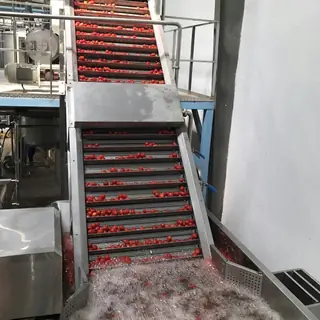
Fruit & vegetable processing
Tomato paste plants, fruit pulp and puree lines, washers, sorters, extractors, peelers and conveyors.

28 fruit & vegetable processing
Fruit & vegetable
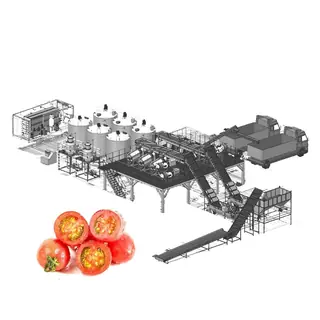
100–1500 TPD Tomato Paste Processing Line
- Capacity
- 1–30 T/H (100–1,500 TPD)
- Material
- Stainless steel
Fruit & vegetable
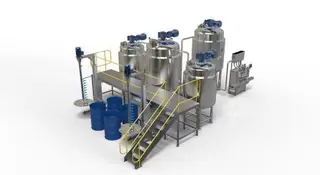
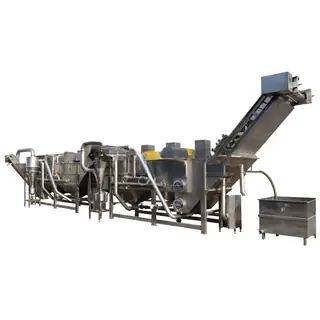
3000 kg Tomato Paste Line with Aseptic Drum Filling
- Capacity
- 3,000 kg
- Material
- SUS304
Fruit & vegetable
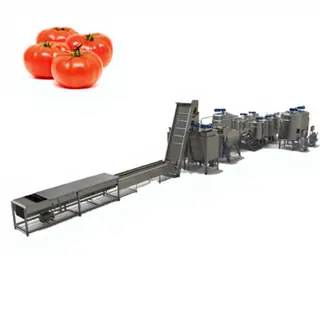
Date Vinegar, Syrup and Juice Processing Line
- Capacity
- 500–5,000 kg/h
- Material
- SUS304/316L
Fruit & vegetable
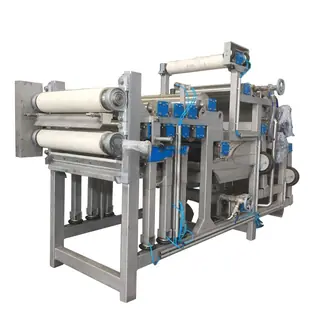
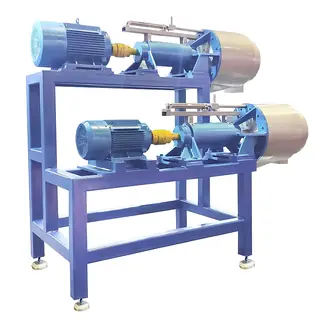
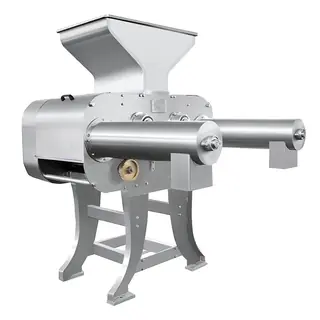
Fresh Tomato Ketchup, Juice & Jam Processing Line
- Capacity
- Custom
- Material
- Stainless steel
Fruit & vegetable
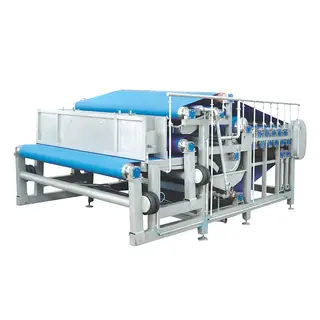
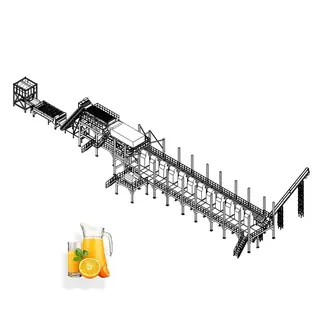
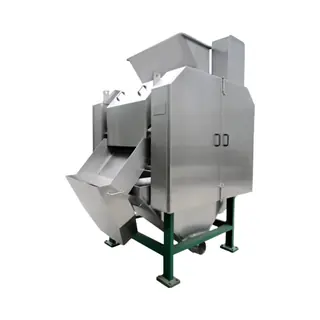
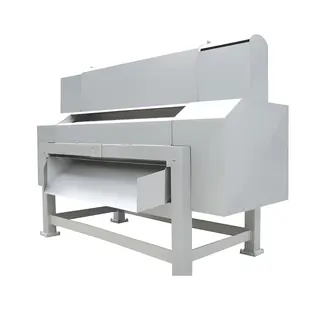
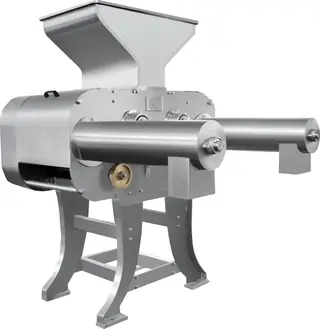
Hydraulic Cold Press Juicer for Fruit & Vegetables
- Capacity
- 3–10 T/H
- Material
- SUS304/316L
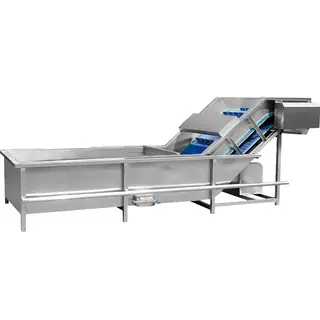
Fruit & vegetable
Roller Brush Washer for Vegetables, Fruit & Wheat
- Capacity
- Custom
- Material
- Stainless steel
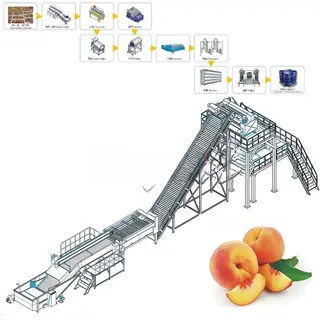
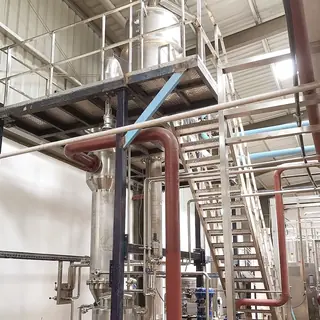
Fruit & vegetable
Tomato Paste Line with Forced Circulation Evaporator
- Capacity
- Custom
- Material
- SUS304/316L
How fruit & vegetable processing fit into your plant
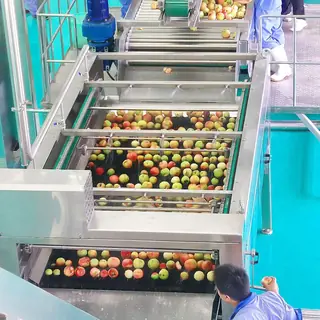
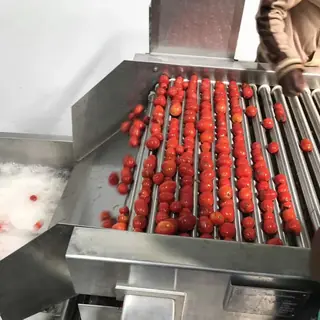
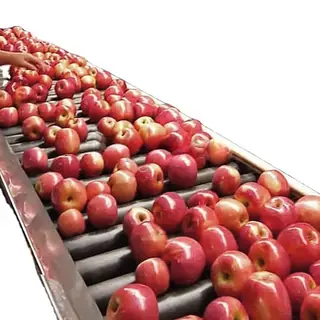
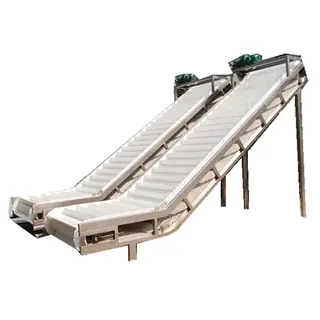
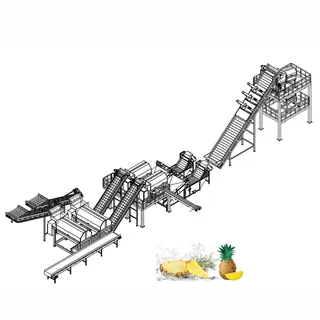
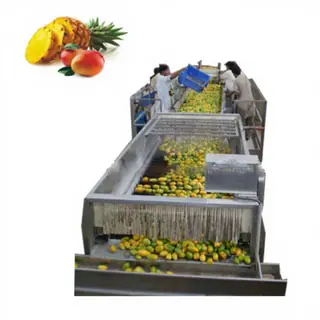
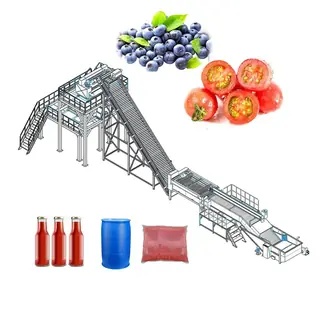
Fruit and vegetable lines start with gentle handling: unloading, flume washing, sorting and elevating. Then come size reduction and extraction (crushers, hot-break or cold-break systems, belt presses, citrus extractors, pulpers and finishers), followed by concentration, heat treatment and filling.
We build complete tomato paste plants rated by fresh tomato intake per day, mango, apple and citrus pulp lines, and the individual machines that feed them. Equipment is made in stainless steel and sized to your harvest season and fruit mix.
Common questions
What is the difference between hot break and cold break tomato processing?
Hot break heats crushed tomatoes quickly to about 85–95 °C to inactivate pectin enzymes, which gives a thicker paste. Cold break uses lower temperatures (around 60–70 °C), preserving colour and flavour for a thinner product.
Can one line process several fruits?
Yes, if the extraction stage is chosen for it. A line with interchangeable crushers, a pulper-finisher and a common evaporator can run tomato, mango and other soft fruits in different seasons.